Understanding ISI Certification for Electrical Products in 2026: A Complete Guide
Welcome to the PNM blog, Ravindra! As a trusted manufacturer of high-quality PVC electrical conduit pipes and accessories based in Bhusawal, Maharashtra, PNM (Dynamics Multipro) is dedicated to delivering safe and reliable solutions for your electrical needs. Whether you’re a homeowner in Nagpur upgrading your wiring or a contractor handling projects across India, understanding ISI certification for electrical products is essential in 2026. This certification ensures that products meet stringent safety and quality standards, protecting you from hazards.
In this guide, we’ll break down what ISI certification is, why it matters, how to spot genuine ISI-marked products, and PNM’s unwavering commitment to these standards. We’ll also touch on how our ISI-certified conduits compare to competitors like Pressfit India (pressfitindia.com), helping you make informed choices for safer installations.
What is ISI Certification?
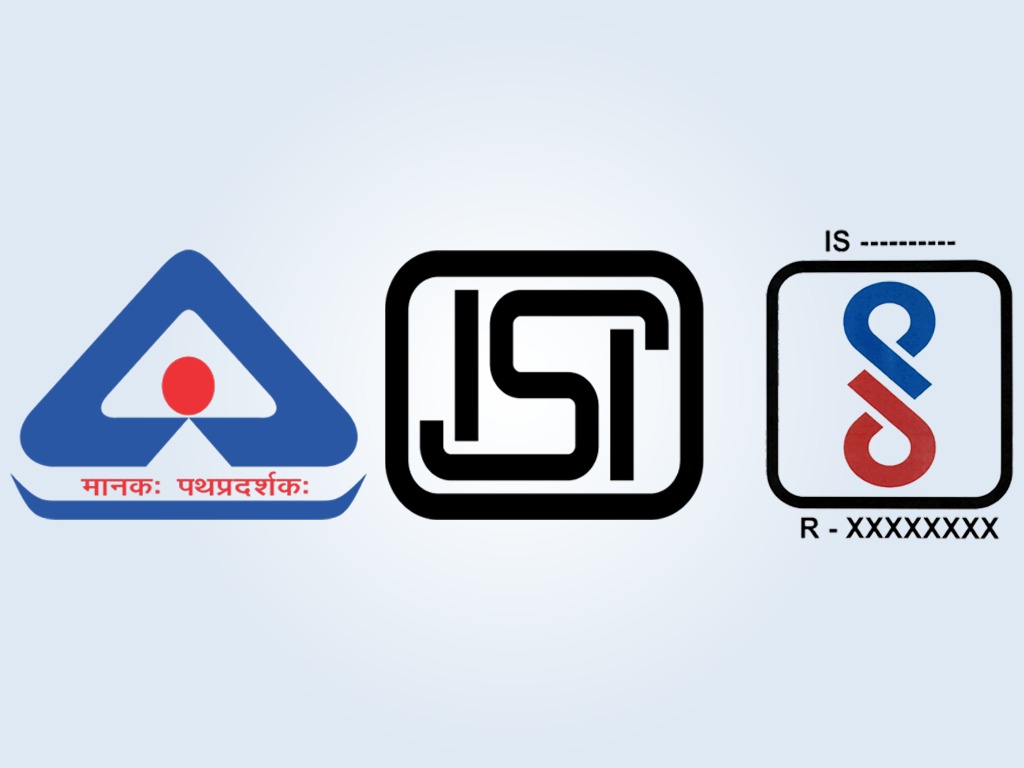
ISI certification, often referred to as the ISI mark, is a standards-compliance certification issued by the Bureau of Indian Standards (BIS), India’s national standards body established under the BIS Act 2016. The mark certifies that a product conforms to specific Indian Standards (IS) for quality, safety, and performance. Originally introduced in 1950, ISI stands for Indian Standards Institution, but it’s now managed by BIS.
For electrical products, ISI certification is crucial as it covers items like switches, wiring cables, electric motors, heaters, kitchen appliances, and conduits. It’s part of BIS’s Product Certification Scheme (Scheme-I), where products undergo rigorous testing and factory inspections. While voluntary for many items, it’s mandatory for over 90 products, including household electrical goods like electric irons, immersion heaters, cables, switches, and LED lights, to ensure they can be legally manufactured, imported, or sold in India. Non-compliance can lead to fines, product seizures, or legal actions.
In 2026, updates like the Safety of Household, Commercial and Similar Electrical Appliances (Quality Control) Order, 2025, have expanded mandatory compliance to more categories, effective from March 2026 for larger enterprises, with extensions for smaller ones. This includes appliances up to 250V single-phase, emphasizing safety in an era of increasing smart home integrations.
Why ISI Certification Matters for Electrical Products
ISI certification is more than a label—it’s a safeguard for consumers, manufacturers, and the environment. Here’s why it matters:
- Consumer Safety: Electrical products without proper certification pose risks like electric shocks, overheating, or fires. ISI ensures products meet safety standards, reducing accidents. For instance, certified wiring and conduits prevent short circuits in humid Maharashtra climates.
- Quality Assurance: It guarantees reliability and performance, protecting against substandard imports. Mandatory for items like electrical cables and appliances, it promotes fair trade and prevents deceptive practices.
- Legal Compliance: Selling uncertified mandatory products is illegal, leading to penalties. In public interest sectors like health and safety, it’s enforced by the government.
- Market Trust and Competitiveness: For manufacturers, the ISI mark builds customer confidence and opens government tenders. In 2026, with rising awareness in cities like Nagpur, certified products like PNM’s PVC conduits are preferred for their proven durability.
Without ISI, faulty products could cause widespread issues—think of uncertified heaters causing fires. BIS’s role in standardization ensures India’s electrical market remains safe and competitive.
How to Identify Genuine ISI Products
Spotting fake ISI marks is key to avoiding risks. Here’s a step-by-step guide:
- Look for the ISI Mark: Genuine products display the ISI symbol prominently on the item and packaging. It should include the standard number (e.g., IS:9537 for conduits) and a license number (CM/L- followed by digits).
- Verify Online: Use BIS’s official portal at https://www.manakonline.in/ to check the license validity by entering the CM/L number or product details. This confirms authenticity.
- Check for Holograms and Details: Authentic marks often include security features like holograms. Ensure the product matches the certified category—e.g., electrical conduits should reference relevant IS standards.
- Buy from Reputable Sources: Purchase from authorized dealers. For PNM products, visit pnm.org.in
Counterfeits are common, so always cross-verify. BIS conducts market surveillance to weed out fakes, but consumer vigilance is crucial.
PNM’s Commitment to ISI Standards
At PNM, we go beyond compliance—ISI certification is at the heart of our operations. Our PVC electrical conduit pipes are ISI-marked under IS:9537 Part 3, ensuring they meet high standards for mechanical strength, fire retardancy, and durability. Whether LMS, MMS, or HMS variants, our products are rigorously tested for Indian conditions, from Nagpur’s monsoons to industrial setups.
Unlike some competitors, PNM offers both ISI-certified and non-ISI options for flexibility, but we prioritize certification for safety-critical applications. Compared to Pressfit India, which also provides compliant products, PNM stands out with our focus on eco-friendly manufacturing and customized accessories, all while maintaining affordability.
Our commitment includes regular factory audits, sustainable practices, and customer education through blogs like this. Choose PNM for peace of mind—visit pnm.org.in to explore our certified range and contact us for Nagpur-specific advice.
Conclusion: Empower Your Choices with ISI Knowledge
In 2026, understanding ISI certification for electrical products empowers you to prioritize safety and quality. From protecting your home to ensuring compliance, ISI is indispensable. Trust PNM for ISI-certified solutions that deliver reliability every time. For more insights on electrical safety in Maharashtra, subscribe to our blog!